
gypsum processing for cement manufacturer Grasping strong production capability, advanced research strength and excellent service, Shanghai gypsum processing for cement supplier create the value and bring values to all of customers.
 WhatsApp)
Jan 07, 2016· Gypsum levelers can also be poured up to 76 mm (3 in.) in a single lift as opposed to approximately 25 mm (1 in.) for traditional cement levelers. Conclusion Gypsum concrete is a favorable material to use as an underlayment for a variety of reasons.
Mar 03, 2016· Being a key input in cement production, a strategy for large scale mining gypsum is urgently required to sustain existing cement plants and meet future expansion. In order to encourage investment, government has put in place various incentives in the solid minerals industry like. 3-5 years Tax Holiday; Deferred royalty payments
Cement - Cement - Extraction and processing: Raw materials employed in the manufacture of cement are extracted by quarrying in the case of hard rocks such as limestones, slates, and some shales, with the aid of blasting when necessary. Some deposits are mined by underground methods. Softer rocks such as chalk and clay can be dug directly by excavators.
Jun 21, 2017· Gypsum is called the retarding agent of cement which is mainly used for regulating the setting time of cement and is an indispensable component. Without gypsum, cement clinker can condense immediately by mixing with water and release heat. The maj...
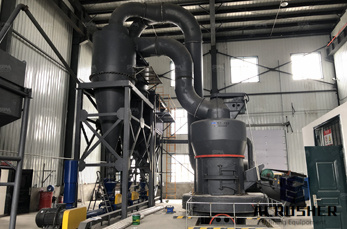
Gypsum is a mineral and is hydrated calcium sulfate in chemical form. Gypsum plays a very important role in controlling the rate of hardening of the cement. During the cement manufacturing process, upon the cooling of clinker, a small amount of gypsum is introduced during the final grinding process.
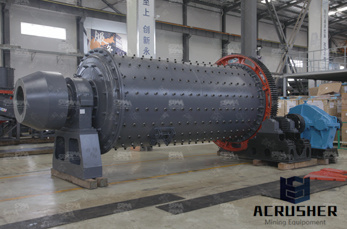
Gypsum boards or plasterboards are typical materials used to build light walls. The production process is based on gypsum hydration technology. At the very beginning of the process dehydrated calcium sulfate (gypsum) is converted into CaSO 4 ·0.5H 2 O by heating. Once dehydrated, gypsum is mixed with water, starch, a ing agent, and other additives.
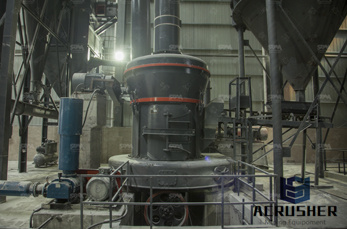
Gypsum can be a difficult material to process, from its variability, to its tendency to harden into a cement-like form, and its abrasive nature. For this reason, choosing processing solutions that are heavy-duty and designed around the unique characteristics of the gypsum sample to be processed will offer the best results.
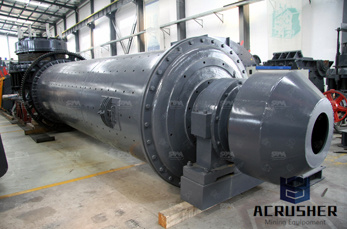
Gypsum Processing for Cement, Plaster and Wallboard Gypsum is calcium sulfate dihydrate (CaSO4 2H2O), a white or gray naturally occurring mineral, and is used as a commercial and generic term for all calcium sulfate materials. Raw gypsum ore is processed into a variety of products such as a portland cement additive, soil conditioner, industrial ...
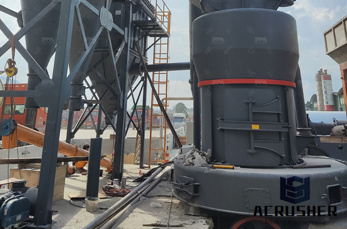
Gypsum is a soft sulfate mineral composed of calcium sulfate dihydrate, with the chemical formula CaSO 4 ·2H 2 O. It is widely mined and is used as a fertilizer and as the main constituent in many forms of plaster, blackboard/sidewalk chalk, and drywall.A massive fine-grained white or lightly tinted variety of gypsum, called alabaster, has been used for sculpture by many cultures including ...
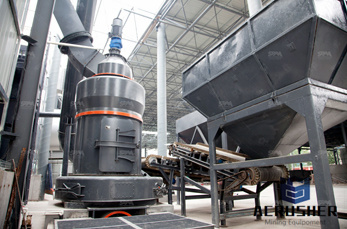
GYPSUM PROCESSING AND USE Gypsum is a particularly useful processed material. Its main application is as a building material, mostly produced as so-called plaster of Paris for plastering walls and making decorative features in buildings. However gypsum also has a diversity of. Contact Supplier. Role of Gypsum in Cement and its Effects The ...
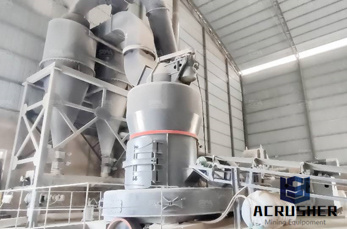
Gypsum can be a difficult material to process, from its variability, to its tendency to harden into a cement-like form, and its abrasive nature. For this reason, choosing processing solutions that are heavy-duty and designed around the unique characteristics of the gypsum sample to be processed will offer the best results.
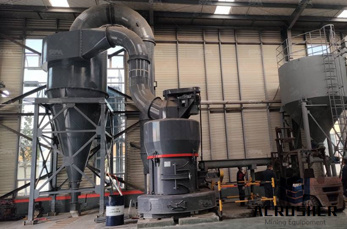
It is a key ingredient in cement, plaster, and even building materials. Gypsum is also gaining recognition from the positive impacts it brings when used as a soil amendment. This article will focus on the process of pelletizing gypsum, as well as the benefits that result from using pelletized gypsum as a soil amendment.
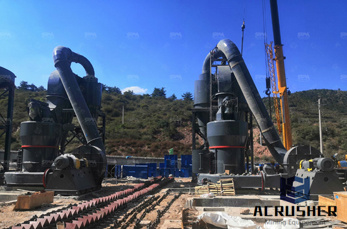
GYPSUM PROCESSING AND USE Gypsum is a particularly useful processed material. Its main application is as a building material, mostly produced as so-called plaster of Paris for plastering walls and making ... additive in the manufacture of Ordinary Portland Cement (OPC), in surgical splints, in
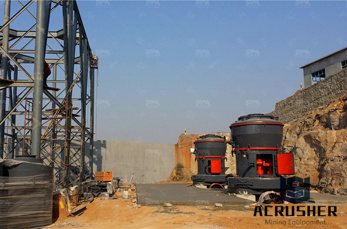
11.16 Gypsum Manufacturing 11.16.1 Process Description1-2 Gypsum is calcium sulfate dihydrate (CaSO4 2H2O), a white or gray naturally occurring mineral. Raw gypsum ore is processed into a variety of products such as a portland cement additive, soil conditioner, industrial and building plasters, and gypsum wallboard. To produce plasters or
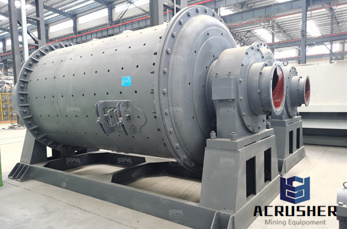
The cement manufacturing process starts from the mining of raw materials that are used in cement manufacturing, mainly limestone and clays. ... Clinker and gypsum for OPC, limestone for limestone cement, and slag for slag cement are all extracted from their respective hoppers and fed to the cement mills. The ball mill grinds the feed to a fine ...
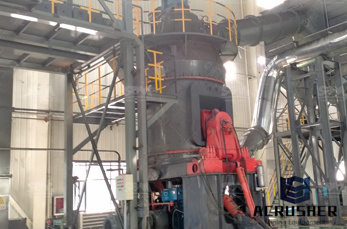
It is a key ingredient in cement, plaster, and even building materials. Gypsum is also gaining recognition from the positive impacts it brings when used as a soil amendment. This article will focus on the process of pelletizing gypsum, as well as the benefits that result from using pelletized gypsum as a .
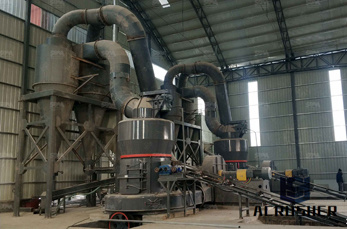
GYPSUM PROCESSING AND USE Gypsum is a particularly useful processed material. Its main application is as a building material, mostly produced as so-called plaster of Paris for plastering walls and making decorative features in buildings. However gypsum also has a diversity of
11.16 Gypsum Manufacturing 11.16.1 Process Description1-2 Gypsum is calcium sulfate dihydrate (CaSO4 2H2O), a white or gray naturally occurring mineral. Raw gypsum ore is processed into a variety of products such as a portland cement additive, soil conditioner, industrial and building plasters, and gypsum wallboard.
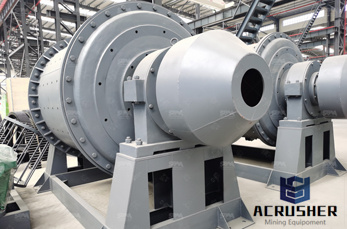
When Gypsum is added to the Cement it binds with Tricalcium aluminates to make a colloidal gel and the above reaction don't take place. So it slows the process of fastening. 3CaO. Al 2 O 3 + 3CaSO 4 + 2H 2 O→3CaO. Al 2 O 3 .3CaSO 4.2H 2 O.
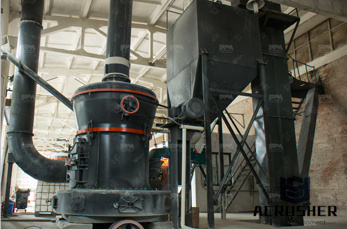
J.M. Khatib, in Sustainability of Construction Materials (Second Edition), 2016. Chapter 25 concludes that, because of an increase in demand, gypsum mining will also increase. However, demand will force the construction industry to use more synthetic, waste and recycled gypsum. In Europe, it is anticipated that by 2035, 25% of recycled gypsum will be used.
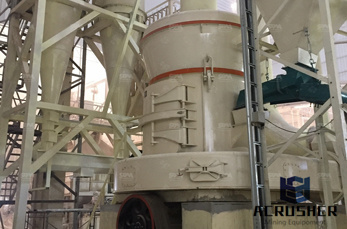
During the cement manufacturing process, upon the cooling of clinker, a small amount of gypsum is introduced during the final grinding process. Gypsum is added to control the "setting of cement". If not added, the cement will set immediately after mixing of water leaving no time for concrete placing.
Gypsum plaster is also heated at specific temperatures to get different types of plasters. Pros: Unlike cement plaster, gypsum plaster does not require punning or any special process to achieve smoothness on the surface. Thus, it saves costs and time. Cement plaster has to be prepared manually but gypsum plaster is available in ready form.
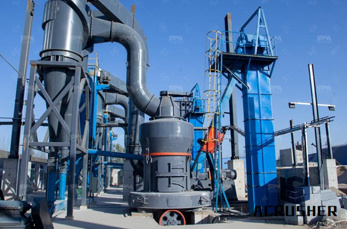
The whole process of cement manufacturing in Messebo Cement plant which consists of ... cement. Gypsum and Pozzolana are going to be used for final cement grinding together with clinker produced from kiln. In this unit there are three crushers few meters away from the quarry; two Limestone/Shale Crushers (one for Line 1 and One for Line2) and ...
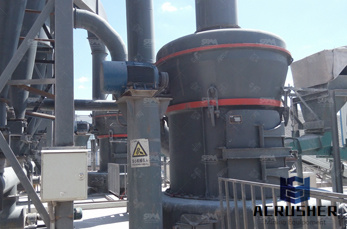
Aug 30, 2012· Cement Manufacturing Process Phase IV: Kiln Phase. Kiln is a huge rotating furnace also called as the heart of cement making process. Here, raw material is heated up to 1450 ⁰C. This temperature begins a chemical reaction so called decarbonation. In this reaction material (like limestone) releases the carbon dioxide.
WhatsApp)
 Online Chat
 Sales Hotline