
the mining process for aluminum manufacturer Grasping strong production capability, advanced research strength and excellent service, Shanghai the mining process for aluminum supplier create the value and bring values to all of customers.
 WhatsApp)
Using the Bayer process, alumina (aluminium oxide) is extracted from bauxite in a refinery. The alumina is then used to produce the primary metal at a ratio of 2:1 (2 tonnes of alumina = 1 tonne of aluminium). 3. Primary production. The aluminium atom in alumina is bonded to oxygen and needs to be broken by electrolysis to produce aluminium metal.
PROCESS DESCRIPTION: BAUXITE MINING. Bauxite is the principal ore of alumina (Al 2 O 3), which is used to produce aluminum (Al).It is composed of hydrated aluminum oxides, hydrated aluminosilicates, iron oxides, hydrated iron oxides, titanium oxide, and silica.
Australia is the largest producer of bauxite, followed by China. In 2017, China was the top producer of aluminium with almost half of the world's production, followed by Russia, Canada, and India. Although aluminium demand is rapidly increasing, known reserves of its bauxite ore are sufficient to meet the worldwide demands for aluminium for many centuries.
Aug 27, 2019· Because of the amount of energy consumption and materials required, this is a much more costly process than brine extraction, even though these deposits have a higher lithium content. That's why this process nets a much lower yield of lithium production per year.
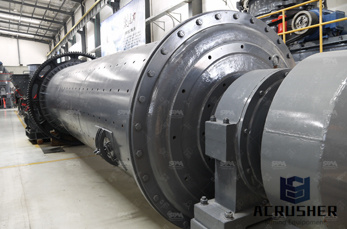
Improve your business performance through actionable insights based on real processes.
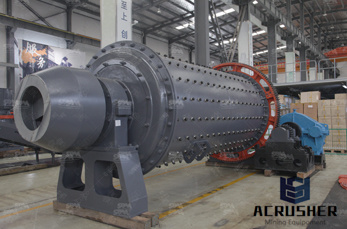
Aluminium is the most profuse metallic part in the earths crust. It is mined from bauxite-contained mining areas since the production of aluminium is entirely reliable on extraction from bauxite. It is not found in free form and is the most abundant metallic element in the Earth's crust. Alumininum is basically obtained by using a technique called the Bayer's process developed by Karl Joseph ...
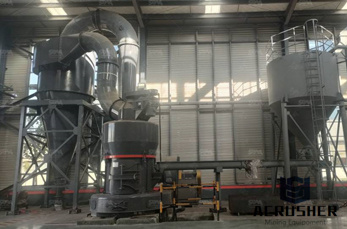
Aluminium atoms easily bind with other metals, forming compounds. At the same time it's impossible to isolate aluminium by simply melting down the compounds in a furnace, as is the case with iron, for example. The aluminium production process is much more complex and requires huge amounts of .
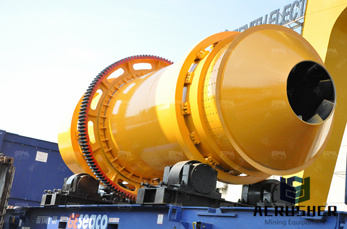
Placer mining is used to sift out valuable metals from sediments in river channels, beach sands, or other environments. In-situ mining, which is primarily used in mining uranium, involves dissolving the mineral resource in place then processing it at the surface without moving rock from the ground.
Known as the Hall-Heroult process after its American and French inventors, the process is still the primary method of aluminum production today. The Bayer process for refining aluminum ore, developed in 1888 by an Austrian chemist, also contributed significantly to the economical mass production of aluminum.
May 08, 2014· BAUXITE MINING PROCESS AND ASSOCIATED OCCUPATIONAL HEALTH HAZARDS AND RISKS. Although a very small percentage (less than 1% globally) of aluminum is derived from ores such as nepheline and from alternative sources, such as fly ash from coal-fired power stations, bauxite mining represents, by far, the most common initial upstream step in the eventual production of aluminum .
Alumina Refining. Alumina refineries process bauxite ore to produce alumina, which is then used to extract aluminium metal. Australia is the second largest .
Before mining can commence the land needs to be cleared of timber and vegetation. Alongside this process may be the collection of seeds and/or saplings, for inclusion in a seedbank, which will form the basis of post-mining revegetation of the site. Next the top soil is removed and is usually also stored for replacement during rehabilitation.
Vanadium processing, preparation of the metal for use in various products. Vanadium (V) is a grayish silver metal whose crystal structure is a body-centred cubic (bcc) lattice, with a melting point of 1,926° C (3,499° F). The metal is used principally as an alloying addition to high-strength
This flowchart made of machinery icons explains or expresses in simple but clear terms the step of the Copper Mining and Copper Extraction Process. Starting from either open-pit or underground mining and using a different relevant treatment method for oxide or sulphide copper mineral (ore). Having a quick look now at how porphyry ores are treated and the metals extracted.
The Bayer process is the principal industrial means of refining bauxite to produce alumina (aluminium oxide) and was developed by Carl Josef Bayer.Bauxite, the most important ore of aluminium, contains only 30–60% aluminium oxide (Al 2 O 3), the rest being a mixture of silica, various iron oxides, and titanium dioxide. The aluminium oxide must be purified before it can be refined to ...
Aluminum processing, preparation of the ore for use in various products. Aluminum, or aluminium (Al), is a silvery white metal with a melting point of 660 °C (1,220 °F) and a density of 2.7 grams per cubic cm. The most abundant metallic element, it constitutes 8.1 percent of Earth's crust. In ...
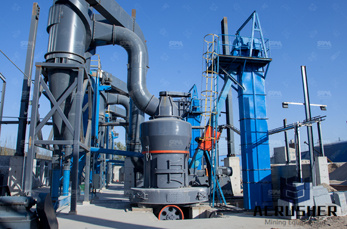
The Bayer Process was invented and patented in 1887 by Austrian scientist Karl Josef Bayer. Two to three tonnes of bauxite are required to produce one tonne of alumina. 90% of the global alumina supply of around 90 million tonnes is used in aluminium production.
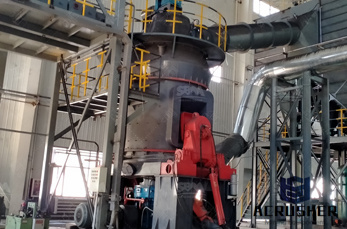
Molten aluminum metal sinks to the bottom of the vat and is drained periodically through a plug. The aluminum smelting process developed by Hall resulted in large amounts of pure aluminum. Suddenly, the metal was no longer rare. The idea of producing aluminum via .
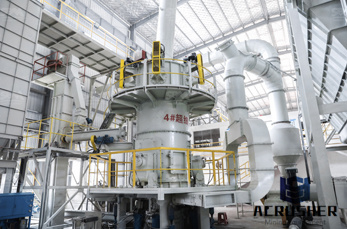
Additionally, today's mining equipment makes it possible to reduce waste and decrease chemical exposure during all phases of the copper mining process. The Basics of Copper Mining and Processing. Mined from open pits, copper ore must be crushed as part of the process that occurs between extraction and production.
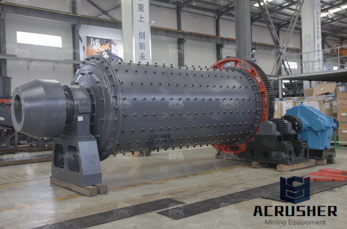
The Process of Mining Bauxite. by Dajcor Aluminum. Bauxite is a mineral that contains varying amounts of combined water and several impurities of which ferric oxide and silica are usually predominant. It is found in a belt around the equator and is generally extracted by open-cast mining. Before mining can commence the land needs to be cleared ...
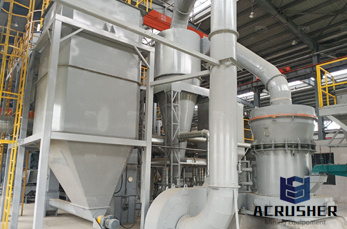
Nov 25, 2017· The Bayer process is the principal industrial means of refining bauxite to produce alumina (aluminium oxide). Bauxite, the most important ore of aluminium, contains only 30–60% aluminium oxide ...
BAUXITE MINING. The aluminium production process starts with the mining of bauxites, an aluminium rich mineral in in the form of aluminium hydroxide. About 90% of global bauxite supply is found in tropical areas.
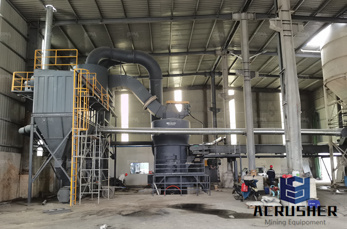
Aluminum is the most abundant metal element in the Earth's crust. Bauxite ore is the main source of aluminum and contains the aluminum minerals gibbsite, boehmite, and diaspore. Aluminum is used in the United States in packaging, transportation, and building. Because it is a mixture of minerals, bauxite itself is a rock, not a mineral.
The Aluminum Mining Process . Once the Bayer Process was developed, the aluminum mining process became more expeditious. But advancements in mining equipment over the last several years have made the work of extracting bauxite even more efficient for mining companies around the world.
WhatsApp)
 Online Chat
 Sales Hotline